

Knee Cartilage
Demo Author One
Cartilage repair options for lasting joint health
A practical overview of cartilage repair, injection therapy, rehabilitation planning, and the clinical evidence that guides joint preservation care.

Cartilage repair compared
A simpler, cheaper fix for small lesions, or a durable, cell-based repair for larger damage — and the modern single-stage route.
 Reviewed byProf Paul Lee MBBch, FRCS (Tr & Orth), PhDLast reviewed 1 May 2026
Microfracture is a simple, low-cost, single operation that stimulates a repair for small cartilage lesions — but it produces fibrocartilage, which is weaker and less durable than natural cartilage. ACI grows your own cells into hyaline-like cartilage, performing better for larger defects and long-term durability, at the cost of two operations. STACi delivers ACI’s cell-based repair in a single operation.
Microfracture is simpler, cheaper and quicker — a good first option for small lesions — but it produces weaker fibrocartilage that can wear over time. ACI grows stronger, hyaline-like cartilage and tends to do better for larger defects and long-term durability. STACi is the modern, single-stage evolution of ACI.
| What to compare | Microfracture | ACI | STACi |
|---|---|---|---|
| What it does | Tiny holes in the bone trigger a blood clot that forms repair tissue | Grows and implants your own cartilage cells | Grows and implants your own cells on a 3D scaffold |
| Tissue produced | Fibrocartilage — weaker, less durable | Hyaline-like cartilage — closer to natural | Hyaline-like cartilage — closer to natural |
| Best defect size | Small lesions | Larger focal defects up to ~4 cm² | The same, plus larger and more complex defects |
| Number of operations | One | Two | One in most cases |
| Relative cost | Lower | Higher | Assessed as STACi from £28,000 all-inclusive |
| Durability | Can wear over time | Better long-term durability | Better long-term durability |
| Joints | Various | Mainly the knee | Any joint |
Microfracture has real strengths, and being fair to it matters. It is a single, keyhole operation: the surgeon makes tiny holes in the bone beneath the damaged cartilage so that blood and marrow cells rise up, form a clot and produce new repair tissue. It is quick, low-cost, widely available and needs no laboratory step, which makes it a sensible first choice for small cartilage lesions — especially in younger, active patients where a simpler procedure can settle symptoms. For many people with a small defect, microfracture is a reasonable place to start.
The catch is the kind of tissue it makes. Microfracture produces fibrocartilage — a repair tissue that is not the same as the hyaline cartilage that naturally lines a joint. Fibrocartilage is mechanically weaker and less durable, and over time it can break down, so the benefit may fade. That tendency becomes more of a problem the larger the defect, which is why microfracture is best kept to small lesions. Meta-analyses that compare the two procedures repeatedly return to this point: microfracture can match ACI early on for small defects, but ACI tends to hold up better over time and for larger areas of damage. Importantly, a previous microfracture also removes the NHS ACI route for that defect under the NICE criteria.
ACI takes a different route. Instead of relying on the body to improvise a repair, it grows your own cartilage cells and implants them into the defect, producing hyaline-like cartilage that is closer to the real thing. That is more involved — two operations and a four-to-six-week wait for lab-grown cells — but it is designed for durability, and it treats larger focal defects that microfracture struggles with. Where the question is “will this last?” or “is this defect too big for a simple fix?”, ACI has historically been the stronger answer.
STACi is the modern evolution of ACI, and it is the option we route this comparison to. It keeps ACI’s key advantage — growing your own cells into hyaline-like, durable cartilage rather than weaker fibrocartilage — while removing much of what made ACI harder than microfracture. It seats the cells in a three-dimensional scaffold, treats larger and more complex defects, works in any joint, and in most cases is done in a single operation, so there is no four-to-six-week wait between two surgeries. In effect, it narrows the practical gap with microfracture on convenience while keeping ACI’s edge on tissue quality and durability.
If microfracture feels too temporary but classical ACI’s two operations feel like a lot, STACi is often the answer worth exploring — ACI’s durable, cell-based repair delivered in a single operation.
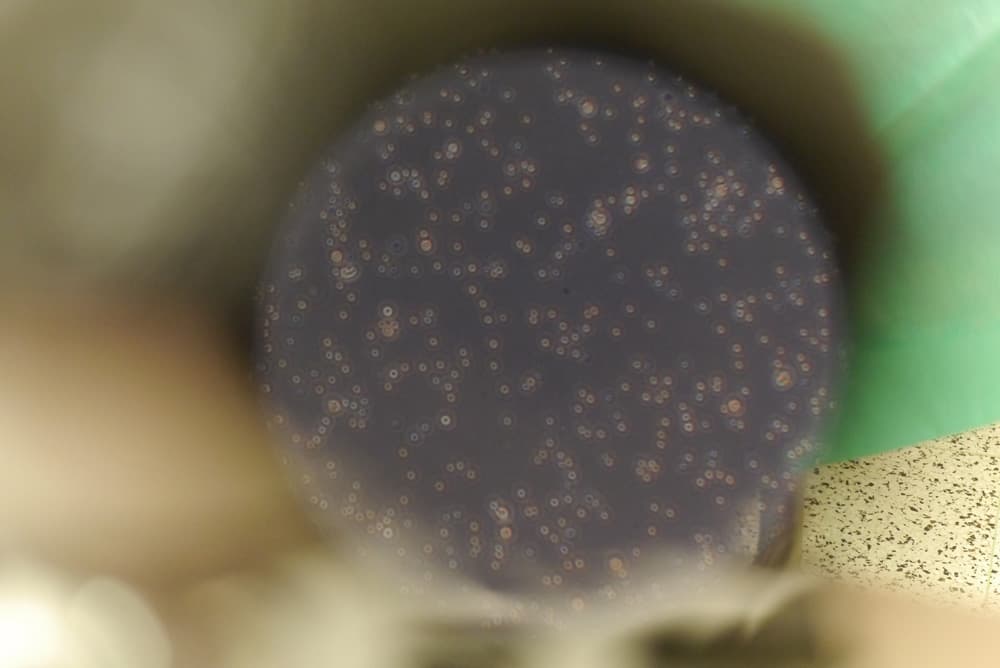

Microfracture makes tiny holes in the bone to trigger a natural repair, producing weaker fibrocartilage in a single, low-cost operation. ACI grows and implants your own cartilage cells, producing hyaline-like cartilage that is more durable, over two operations. Microfracture suits small lesions; ACI suits larger defects and long-term durability.
For small lesions, microfracture can perform comparably early on and is simpler and cheaper. For larger defects and long-term durability, ACI tends to do better because it produces hyaline-like cartilage rather than fibrocartilage. The right choice depends on the size of the defect and your goals.
Microfracture produces fibrocartilage, a repair tissue that is mechanically weaker than the hyaline cartilage naturally lining a joint. It can gradually break down over time, so the initial benefit may fade — more so for larger defects, which is why microfracture is best reserved for small lesions.
Yes. Microfracture is a single keyhole operation with no laboratory step, so it costs less. ACI is more involved and more expensive. London Cartilage Clinic offers STACi, the modern single-stage evolution of ACI, from £28,000 all-inclusive — see the STACi cost guide.
Possibly privately, but a previous microfracture on the same defect removes the NHS ACI route under the NICE criteria. Suitability depends on your imaging. Many patients in this position are assessed for STACi, which treats larger and more complex damage.
STACi — the single-stage, scaffold-based evolution of ACI. It keeps ACI’s durable, hyaline-like repair while doing the job in one operation in most cases, for any joint. Book a consultation to see whether it suits your defect.
Still have more specific concerns?
Free Discovery CallA free fifteen-minute discovery call can help you think it through. To match the right procedure to your defect, book a consultation with Professor Lee.
London Cartilage Clinic
Clinical updates, cartilage treatment guidance, and recovery-focused articles from our specialist team.
A practical overview of cartilage repair, injection therapy, rehabilitation planning, and the clinical evidence that guides joint preservation care.
A practical overview of cartilage repair, injection therapy, rehabilitation planning, and the clinical evidence that guides joint preservation care.
A practical overview of cartilage repair, injection therapy, rehabilitation planning, and the clinical evidence that guides joint preservation care.