

Knee Cartilage
Demo Author One
Cartilage repair options for lasting joint health
A practical overview of cartilage repair, injection therapy, rehabilitation planning, and the clinical evidence that guides joint preservation care.
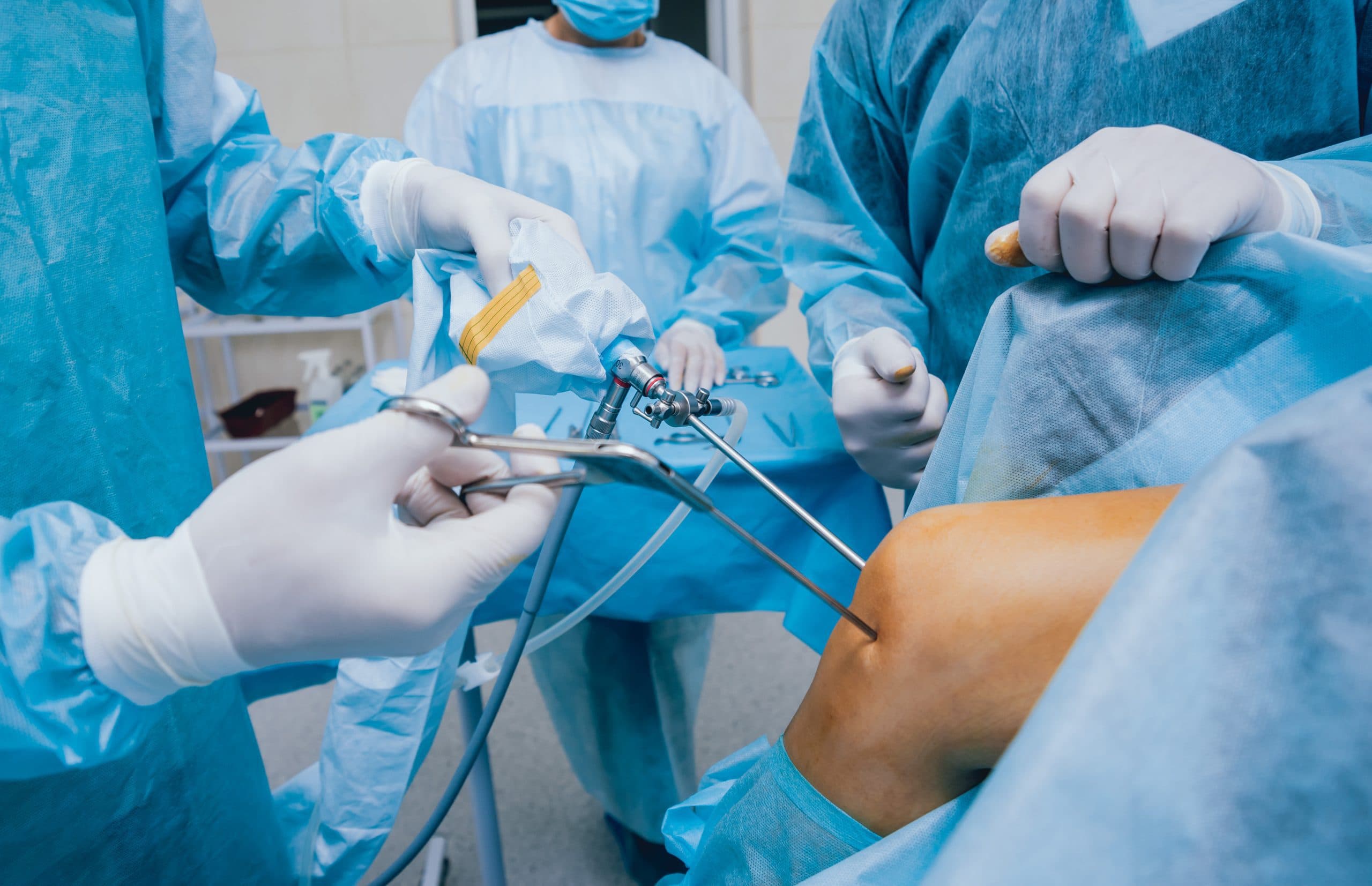
Recovery timeline
What to expect stage by stage, from the day of surgery to a return to sport at twelve months.
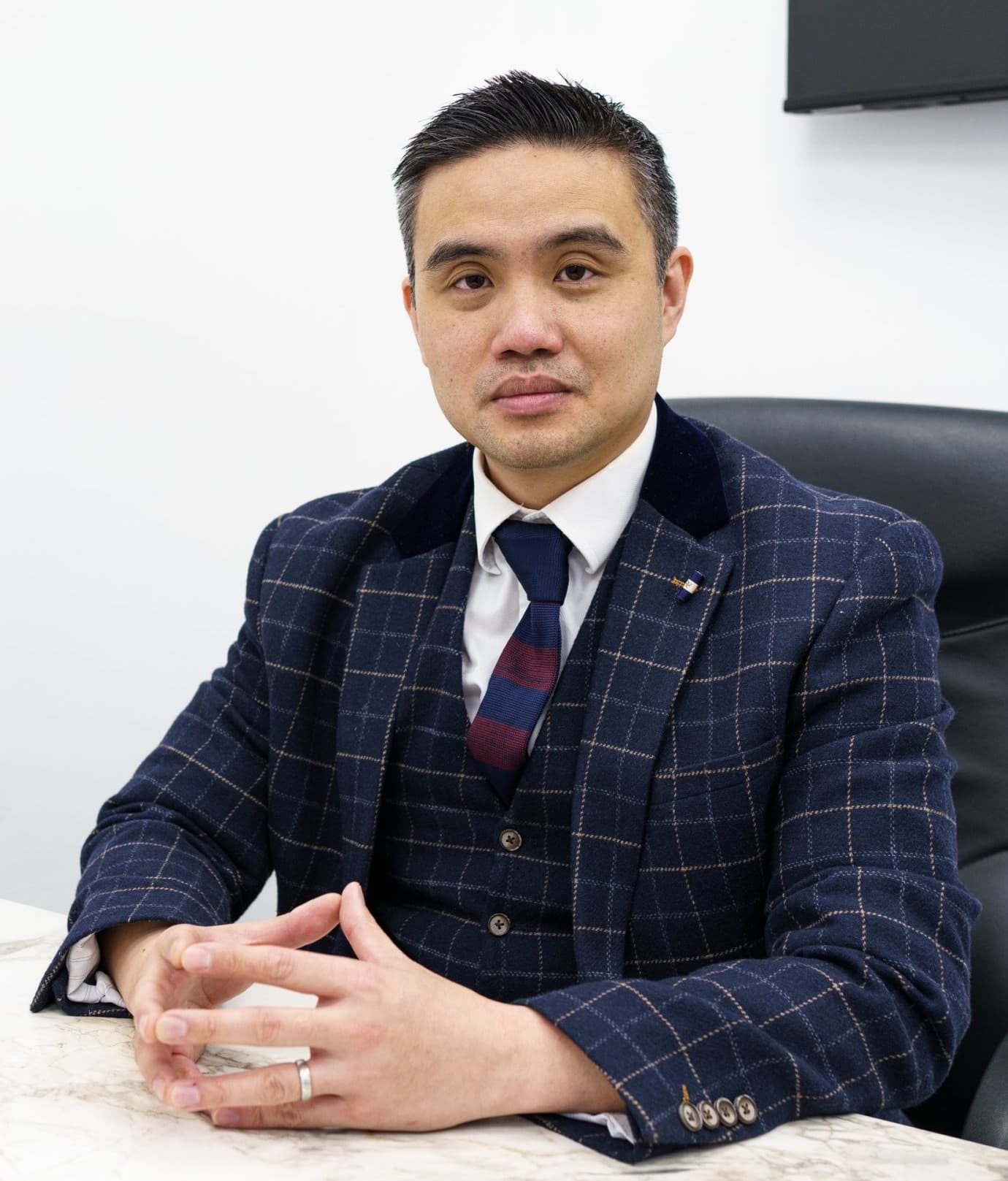 Reviewed byProf Paul Lee MBBch, FRCS (Tr & Orth), PhDLast reviewed 1 May 2026
STACi recovery is staged over about a year. Expect protected weight-bearing on crutches for six to eight weeks, early gentle range-of-motion with physiotherapy, a return to low-impact activity from four to six months, and a return to higher-impact sport from nine to twelve months — the pace set by the size and location of your defect.
STACi regrows a living cartilage surface, and living tissue matures on its own timetable. The staged recovery is not caution for its own sake — it is part of the treatment. New cartilage needs controlled movement to mature (the “energy” in Professor Lee’s five-part model), but loading it too hard too soon is the single biggest threat to a good result. The programme is built to protect the graft while it beds in, then progressively ask more of it as it strengthens. Patience genuinely is part of the cure.
The upside of single-stage STACi is that this is one recovery, not two. Because the harvest, processing and implant happen in a single operation, there is no separate first surgery and no weeks-long wait for lab-grown cells — the clock starts once, on the day of your procedure.
Day-case or short stay. The scaffold and, where indicated, your own biological augmentation are placed in one session (2.5–4 hours). A brace may be fitted.
Rest to let swelling settle and the graft bed in. Gentle, passive range-of-motion often starts early. Protected weight-bearing with crutches.
Brace and crutches while the implant integrates. Two follow-up reviews with the team, and a direct line to the surgical team for any concern.
Progressive return to function with your physiotherapist. Weight-bearing advances as the tissue strengthens.
Return to low-impact activity for most patients. New cartilage continues to mature within the scaffold.
Return to higher-impact sport, confirmed at the twelve-month review — depending on the size and location of the defect.
Whatever your joint, the same principles guide STACi rehabilitation:
Return to work depends on your joint and your job. Desk-based work is often possible within a couple of weeks, managed around crutches and swelling, while physically demanding or on-your-feet roles take longer and are guided by your weight-bearing progress. Driving resumes once you are safely off crutches and can control the vehicle in an emergency — discuss this with the team and your insurer.
Sport returns in two steps: low-impact activity such as cycling and swimming from around four to six months, and higher-impact, pivoting or contact sport from nine to twelve months, confirmed at the twelve-month review. Larger or more complex defects sit at the longer end of these ranges.
Following the weight-bearing plan exactly; attending physiotherapy; doing your home exercises; keeping swelling down; eating and sleeping well; asking the team early about any niggle.
Loading the joint too hard too soon; skipping or rushing rehabilitation; ignoring pain or swelling; returning to impact sport before the twelve-month review clears you. When in doubt, the direct line to the surgical team is there for exactly this.
Recovery is staged over about a year: protected weight-bearing on crutches for six to eight weeks, early physiotherapy, low-impact activity from four to six months, and higher-impact sport from nine to twelve months. The exact pace depends on the size and location of your defect.
Most patients use crutches with protected weight-bearing for around six to eight weeks while the implant integrates, then progress with their physiotherapist as the tissue strengthens.
Desk-based work is often possible within a couple of weeks, worked around crutches and swelling. Physical or on-your-feet jobs take longer and are guided by your weight-bearing progress.
Low-impact activity such as cycling and swimming typically returns from four to six months; higher-impact, pivoting or contact sport from nine to twelve months, confirmed at the twelve-month review.
Because it regrows living cartilage, which matures over the first year. Controlled movement helps it mature, but loading it too hard too soon is the biggest threat to the result — so recovery protects the graft first and progresses by milestone.
STACi’s early recovery pathway is similar, but because it is a single operation there is no separate first surgery and no weeks-long wait for lab-grown cells — it is one recovery instead of two.
Still have more specific concerns?
Free Discovery CallAsk your recovery questions on a free discovery call, or book a consultation to get a plan built around your joint and your goals.
London Cartilage Clinic
Clinical updates, cartilage treatment guidance, and recovery-focused articles from our specialist team.
A practical overview of cartilage repair, injection therapy, rehabilitation planning, and the clinical evidence that guides joint preservation care.
A practical overview of cartilage repair, injection therapy, rehabilitation planning, and the clinical evidence that guides joint preservation care.
A practical overview of cartilage repair, injection therapy, rehabilitation planning, and the clinical evidence that guides joint preservation care.