

Knee Cartilage
Demo Author One
Cartilage repair options for lasting joint health
A practical overview of cartilage repair, injection therapy, rehabilitation planning, and the clinical evidence that guides joint preservation care.
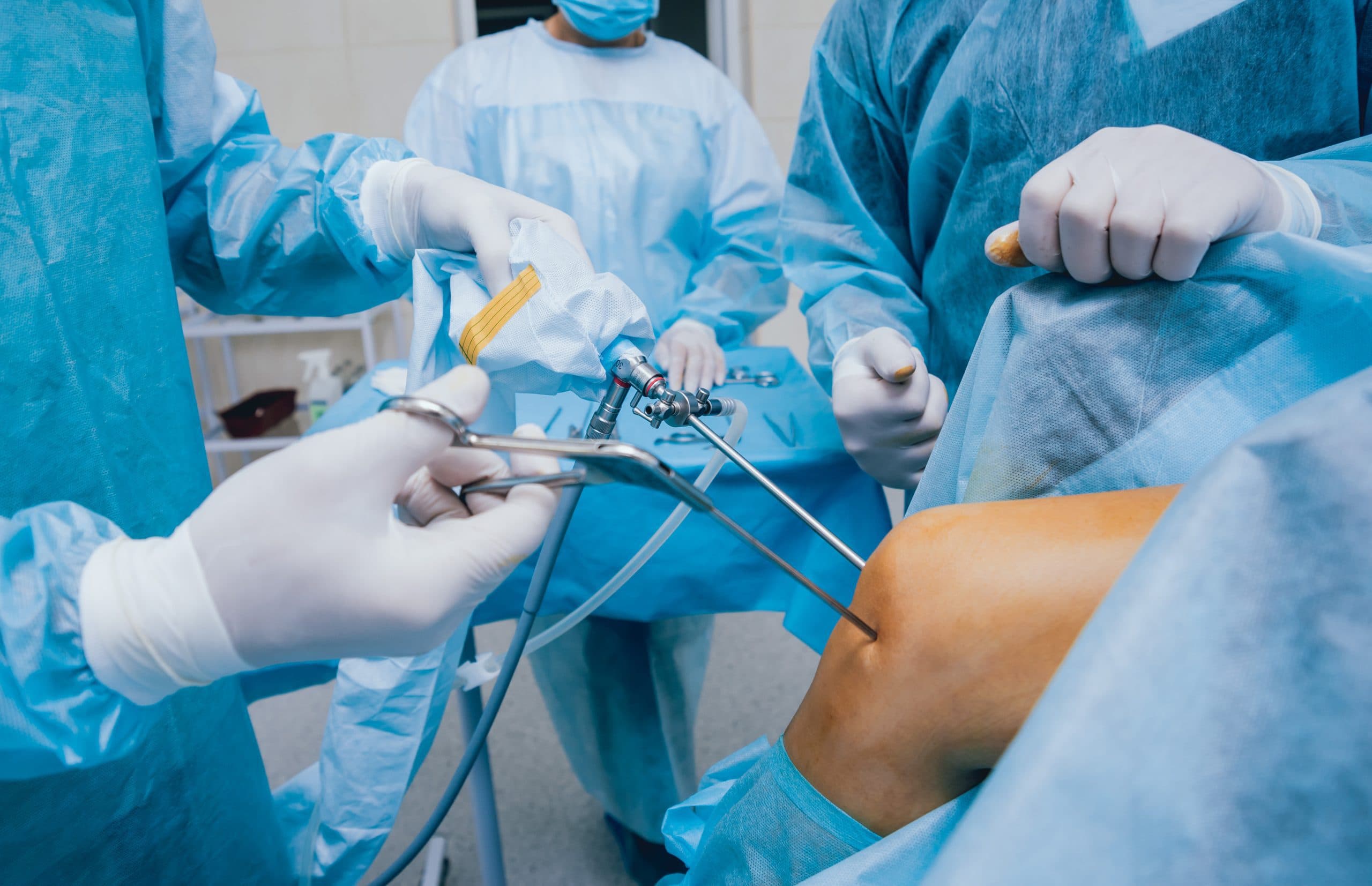
Cartilage repair compared
A fair, side-by-side look at two very different ways to treat damaged cartilage.
 Reviewed byProf Paul Lee MBBch, FRCS (Tr & Orth), PhDLast reviewed 1 May 2026
Microfracture drills tiny holes in the bone to trigger a blood clot that heals as scar-type fibrocartilage. It is quick, cheap and reasonable for small cartilage defects under about 2 cm². STACi instead regrows your own hyaline-like cartilage on a 3D scaffold, and is built for larger, deeper damage where microfracture’s weaker repair tends not to last.
For a small, isolated defect, microfracture is a sensible first step. For larger damage — or when durability matters most — STACi rebuilds cartilage closer to the real thing.
| What to compare | Microfracture | STACi |
|---|---|---|
| What it does | Drills small holes in the bone so it bleeds and forms a clot that heals over | Rebuilds cartilage using your own cells grown on a 3D scaffold, placed in the joint |
| Tissue it grows | Scar-type fibrocartilage — softer, less durable than natural cartilage | Hyaline-like cartilage — the load-bearing type, grown in depth |
| Defect size it suits | Small defects, generally under about 2 cm² | Larger and deeper defects, including those too big for microfracture |
| Operations | One | One in most cases (lab step brought into theatre) |
| Extra tissue harvested | No | No |
| Joints | Any | Any joint |
| Durability | Repair can wear or break down over time, especially in larger or high-load areas | Aims for a durable, living cartilage surface |
| UK availability & cost | Widely available, including on the NHS; low cost | LCC only; from £28,000, all-inclusive |
Microfracture is not a failure of a technique — for the right small lesion it is a perfectly reasonable operation, and it remains one of the most common cartilage procedures worldwide. Its limitation is biological: the tissue it grows is a scar-type stand-in, and in larger or higher-load areas that stand-in tends not to last. STACi exists for exactly those cases — where a longer-lasting, hyaline-like repair is worth a more involved procedure. The honest way to choose between them is an imaging review of your specific defect.

It depends on the size and depth of your cartilage damage. For a small, isolated defect (generally under about 2 cm²), microfracture is a reasonable, low-cost first step. For larger or deeper damage — or if a previous microfracture has not lasted — STACi’s scaffold-based regeneration is designed to rebuild a more durable, hyaline-like surface. An imaging review is the only way to say which suits you.
Microfracture works by making the bone bleed, so the body forms a clot that heals into fibrocartilage — a scar-type repair. Fibrocartilage is softer and less hard-wearing than the natural hyaline cartilage that normally lines a joint. It can do well in small areas, but under heavy or repeated load it tends to break down sooner. STACi instead grows hyaline-like cartilage using your own cells.
Often, yes. A microfracture that has not held up is one of the situations STACi is designed for. Previous cartilage surgery does not automatically rule you out — but it does need to be reviewed, because it can affect the defect and the surrounding bone. Book an assessment so your imaging can be looked at properly.
Microfracture is widely available, including on the NHS, and is inexpensive. STACi is a private, UK-exclusive procedure offered only at London Cartilage Clinic and is not routinely available on the NHS. STACi costs from £28,000, all-inclusive. We can provide an itemised invoice if you wish to submit a claim independently.
STACi aims for a durable, living cartilage surface rather than a temporary repair, and hyaline-like cartilage is generally more hard-wearing than fibrocartilage. We report outcomes qualitatively here and give you written, defect-specific expectations at consultation. See the STACi evidence page for what the studies show.
Still have more specific concerns?
Free Discovery CallA fifteen-minute discovery call is free, or book a consultation to have your imaging reviewed by the surgeon who would perform the procedure.
London Cartilage Clinic
Clinical updates, cartilage treatment guidance, and recovery-focused articles from our specialist team.
A practical overview of cartilage repair, injection therapy, rehabilitation planning, and the clinical evidence that guides joint preservation care.
A practical overview of cartilage repair, injection therapy, rehabilitation planning, and the clinical evidence that guides joint preservation care.
A practical overview of cartilage repair, injection therapy, rehabilitation planning, and the clinical evidence that guides joint preservation care.