

Knee Cartilage
Demo Author One
Cartilage repair options for lasting joint health
A practical overview of cartilage repair, injection therapy, rehabilitation planning, and the clinical evidence that guides joint preservation care.
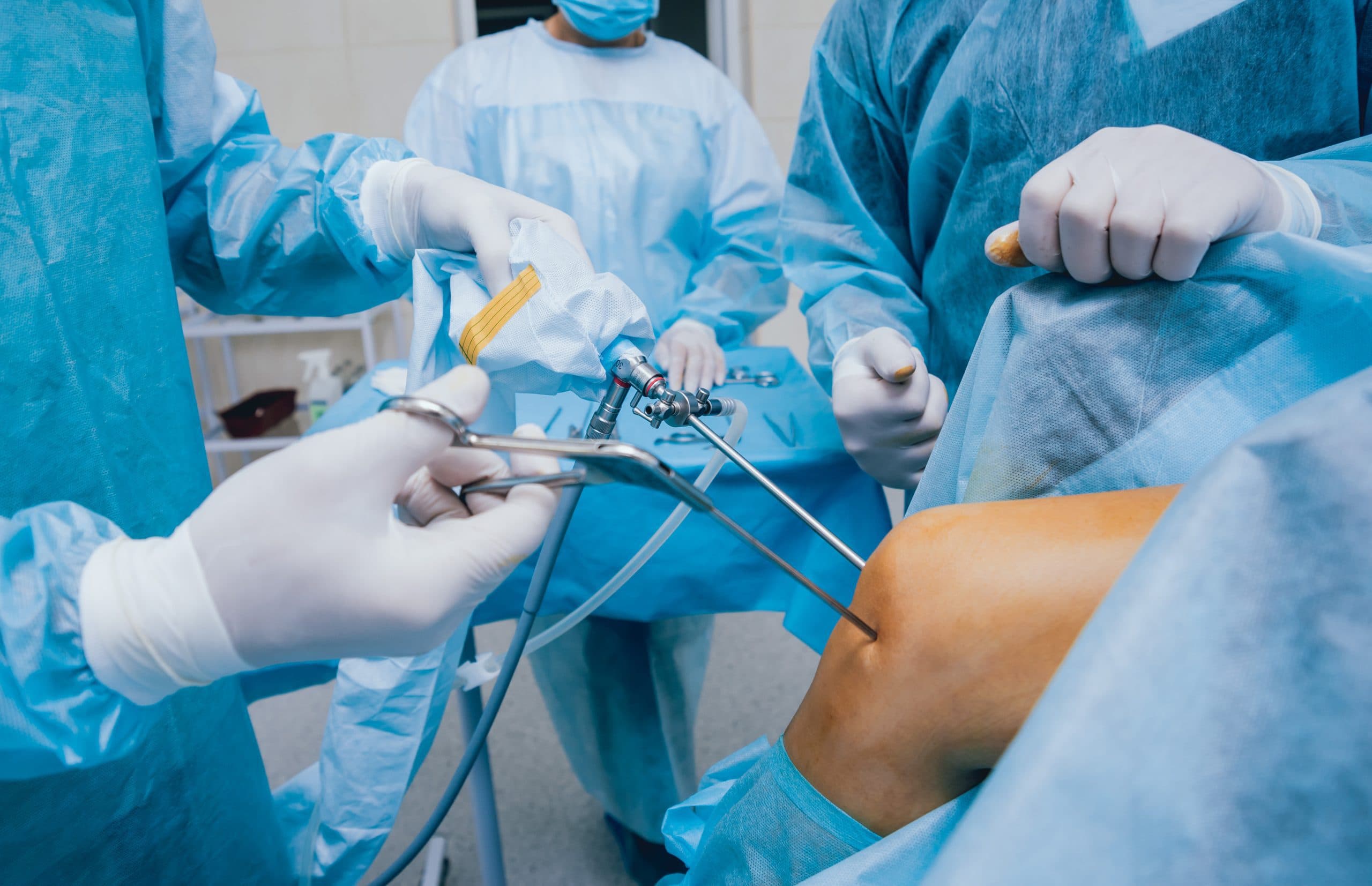
Cartilage regeneration compared
OATS moves your own cartilage plugs; STACi grows new cartilage on a scaffold. Here is how to choose.
 Reviewed byProf Paul Lee MBBch, FRCS (Tr & Orth), PhDLast reviewed 1 May 2026
OATS (also called mosaicplasty) moves small plugs of your own cartilage and bone from a non-weight-bearing part of the joint into the damaged area. It works well for small-to-moderate defects but is limited by how much donor tissue can be spared and can cause donor-site symptoms. STACi grows new cartilage on a scaffold, with no donor plugs, for larger defects.
Both are genuine options at London Cartilage Clinic. OATS is well suited to small-to-moderate defects where healthy donor tissue can be spared; STACi is built for larger damage and takes no donor plugs.
| What to compare | OATS / mosaicplasty | STACi |
|---|---|---|
| What it does | Moves plugs of your own cartilage + bone from a non-weight-bearing area into the defect | Grows your own cartilage cells on a 3D scaffold and places them into the defect |
| Tissue quality | Real, mature cartilage — but only as much as the donor area can spare | Hyaline-like cartilage regenerated in depth, no donor limit |
| Defect size it suits | Small-to-moderate defects | Larger and more complex defects |
| Donor tissue harvested | Yes — cartilage/bone plugs from the same joint | No donor plugs |
| Donor-site morbidity | Possible — pain or problems where the plugs were taken | None — nothing healthy is removed |
| Operations | One | One in most cases |
| Joints | Mainly knee (also ankle) | Any joint |
| Available at LCC | Yes — from £14,000 | Yes — from £28,000, all-inclusive |
Both procedures are offered at LCC; this is a genuine choice, not a takedown of OATS.
OATS is a proven, effective operation and a real option here — for the right small-to-moderate defect, moving a patient’s own mature cartilage can give an excellent result in a single sitting. Its two natural limits are supply (the same joint can only spare so much healthy tissue) and the donor site itself (taking plugs can occasionally cause symptoms where they came from). STACi removes both limits — nothing healthy is harvested, and defect size is not capped by donor supply — at a higher price and with regenerated rather than pre-formed cartilage. Because we offer both, the consultation is a genuine “which suits your joint”, not a sales pitch for one.

OATS (mosaicplasty) takes small plugs of your own cartilage and bone from a non-weight-bearing part of the joint and transfers them into the damaged area — mature cartilage, moved in one operation. STACi instead grows your own cartilage cells on a 3D scaffold and places that into the defect. OATS is limited by donor supply and suits small-to-moderate defects; STACi takes no donor plugs and is built for larger damage.
Yes. OATS is a genuine option at LCC, from £14,000, and STACi is from £28,000, all-inclusive. Which one suits you depends on the size, depth and location of your cartilage damage and how much healthy donor tissue can be spared. The consultation exists to make that choice honestly, not to push one procedure.
Donor-site morbidity means pain or problems at the place healthy tissue was taken from. Because OATS harvests cartilage-and-bone plugs from elsewhere in the joint, that donor area can occasionally become symptomatic. STACi takes no donor plugs — nothing healthy is removed — so there is no donor site to cause problems. That is one reason STACi can suit larger defects, where OATS would need to borrow more tissue.
Larger defects tend to favour STACi. OATS is capped by how much donor cartilage the same joint can spare, so bigger areas can be hard to resurface with plugs. STACi’s scaffold-based regeneration is not limited by donor supply and is designed for larger, more complex damage. For a small-to-moderate defect, OATS remains a strong option. An imaging review settles it.
For STACi, recovery is staged: protected weight-bearing on crutches for six to eight weeks, early range-of-motion with physiotherapy, low-impact activity from four to six months, and higher-impact sport from nine to twelve months depending on the defect. OATS rehabilitation follows a broadly similar protected pathway. See the STACi recovery timeline for the detail.
Still have more specific concerns?
Free Discovery CallBecause we offer both, the fairest next step is a review of your imaging. Start with a free discovery call, or book a consultation with the surgeon who would perform either procedure.
London Cartilage Clinic
Clinical updates, cartilage treatment guidance, and recovery-focused articles from our specialist team.
A practical overview of cartilage repair, injection therapy, rehabilitation planning, and the clinical evidence that guides joint preservation care.
A practical overview of cartilage repair, injection therapy, rehabilitation planning, and the clinical evidence that guides joint preservation care.
A practical overview of cartilage repair, injection therapy, rehabilitation planning, and the clinical evidence that guides joint preservation care.